Our Location
Killa-Pardi, Dist. Valsad, 396125

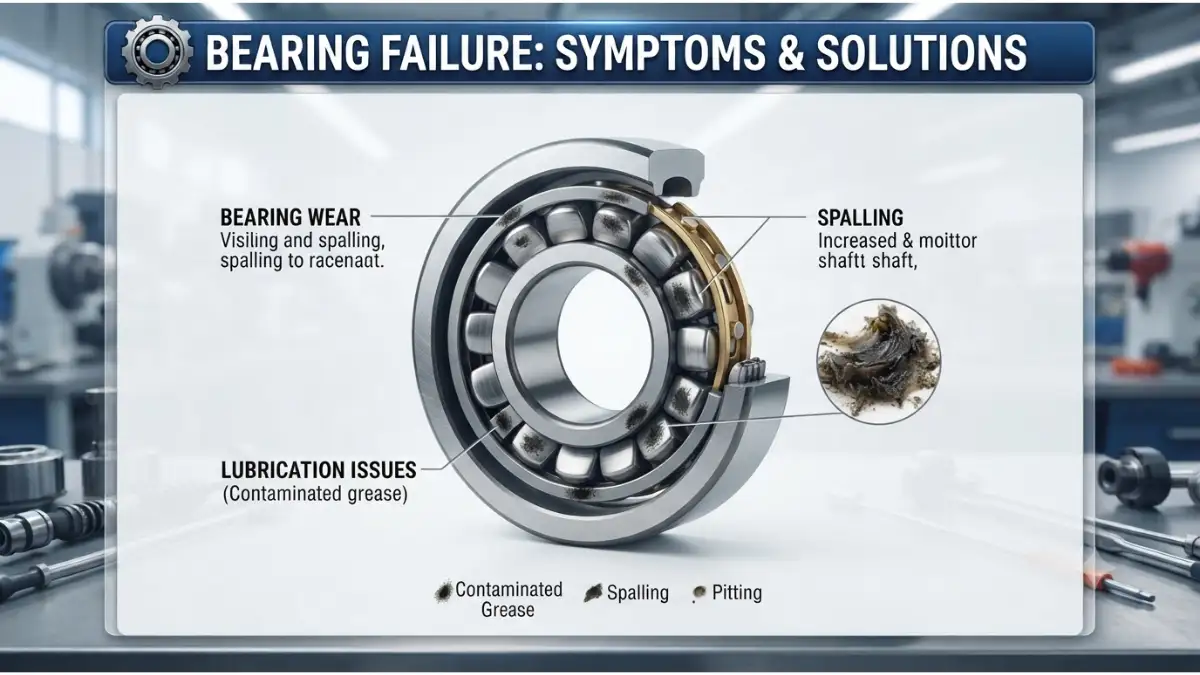
Understanding bearing failure symptoms and solutions is essential for maintaining industrial machinery and reducing unexpected downtime. Common bearing failure symptoms include unusual noise, excessive vibration, overheating, rough rotation, grease leakage, corrosion, and reduced machine performance. If a bearing produces humming, grinding, or knocking sounds, possible causes such as poor lubrication, contamination, misalignment, or raceway damage should be investigated.
Effective bearing failure symptoms and solutions should focus on identifying and correcting the root cause rather than simply replacing the damaged bearing. Correct bearing selection, proper installation, suitable lubrication, contamination control, accurate alignment, and regular temperature and vibration monitoring can significantly improve bearing reliability and help prevent repeated failures.
Bearing failure analysis is the systematic process of examining a damaged bearing to determine:
A failed bearing often provides valuable clues. Marks on the raceway, rolling elements and cage can help identify the failure mechanism.
For example, flaking or spalling can be associated with rolling-contact fatigue, excessive load, contamination, poor lubrication, misalignment or unsuitable clearance.
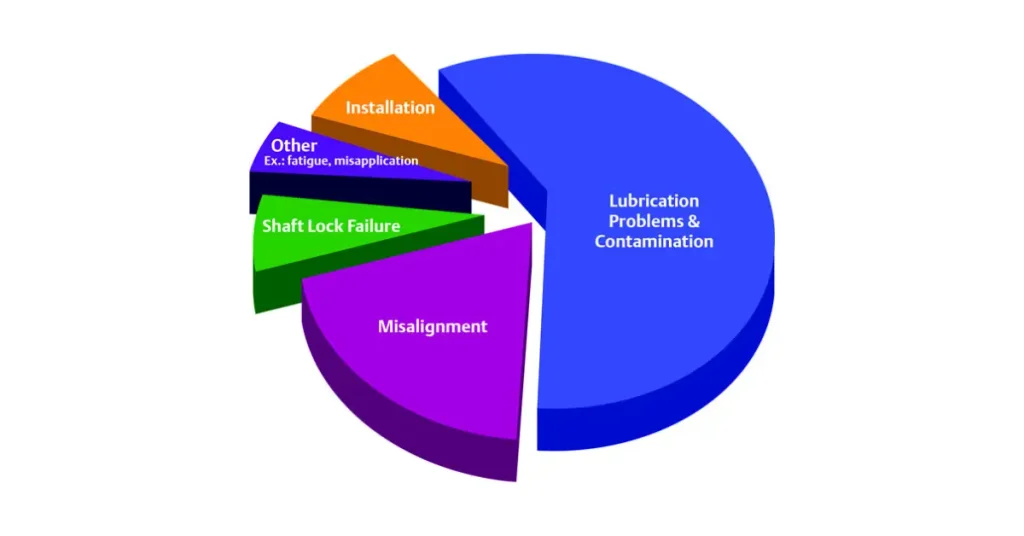
Therefore, bearing replacement should not always be the first and only solution. The root cause should be investigated first.
The important objective of failure analysis is to determine whether the bearing experienced normal life or premature damage.
Common Signs of Bearing Failure include unusual noise, excessive vibration, overheating, grease leakage, and reduced machine performance.
Identifying these warning signs early can help prevent unexpected breakdowns, costly repairs, and production downtime.
Lubrication is one of the most important factors affecting bearing life.
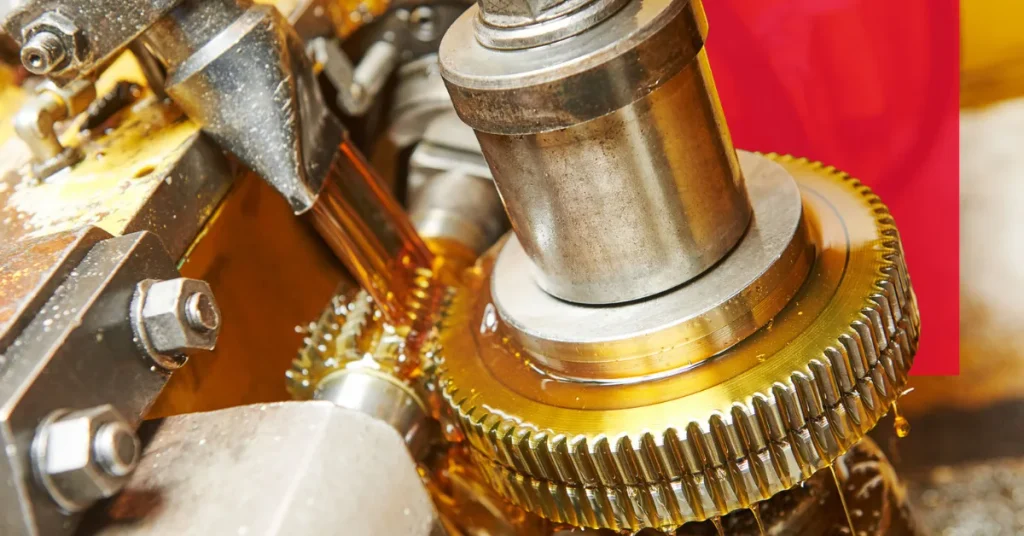
A lubricant creates a protective film between contacting surfaces and helps reduce friction and wear. If the lubricant is insufficient, unsuitable or degraded, metal-to-metal contact can occur.
SKF identifies lubrication problems as a major contributor to bearing failures.
Select lubricant according to:
Do not assume that more grease always means better lubrication.
Contamination is another major cause of premature bearing failure.
Dust, metal particles, sand, water and other foreign material can enter the bearing and damage the rolling surfaces.
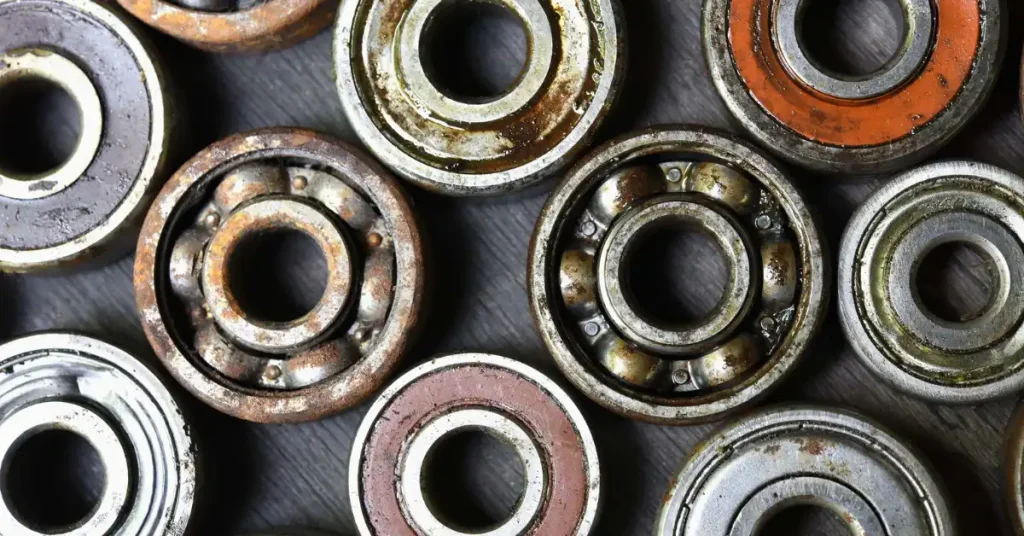
Contamination may produce dents in the raceway. When rolling elements pass over these damaged areas repeatedly, stress concentrations can develop and accelerate fatigue damage.
Use suitable seals or shields, maintain clean working conditions and prevent contaminants from entering during installation and maintenance.
NSK specifically lists foreign-particle contamination and moisture entry among important causes of premature bearing damage.
Incorrect installation is one of the most avoidable bearing failure causes.
Applying force to the wrong bearing ring, striking the bearing directly with a hammer or installing the bearing at an angle can damage raceways and rolling elements.
Improper mounting can create scratches, dents and misalignment.
NSK notes that mounting flaws can result from inclination during mounting or dismounting and impact loads during installation. Appropriate tools and proper centering are recommended.
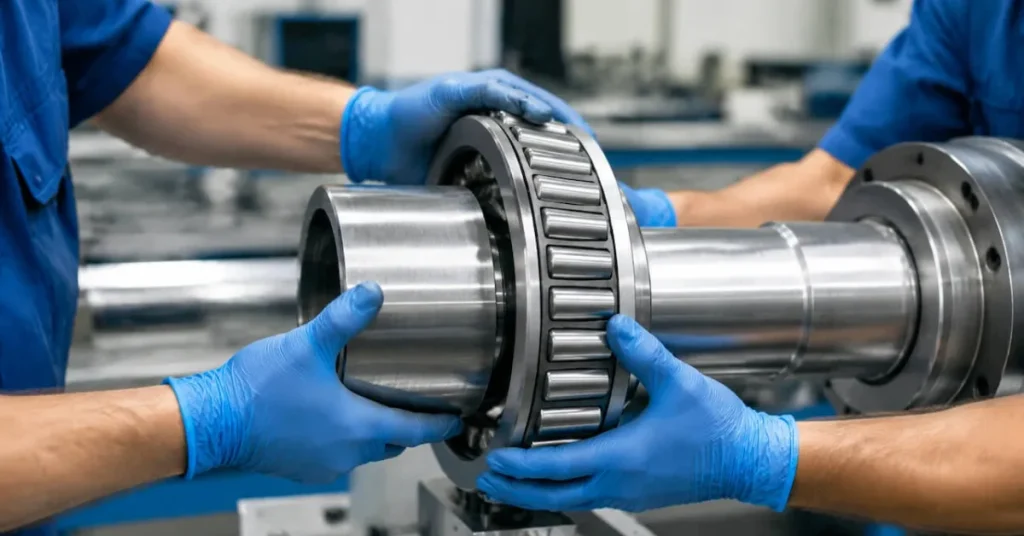
Use:
Never use a hammer directly on a bearing unless the specific installation procedure explicitly permits an appropriate method.
A bearing may be correctly selected and properly lubricated but still fail prematurely if the shaft and housing are misaligned.
Misalignment causes uneven load distribution across the bearing.
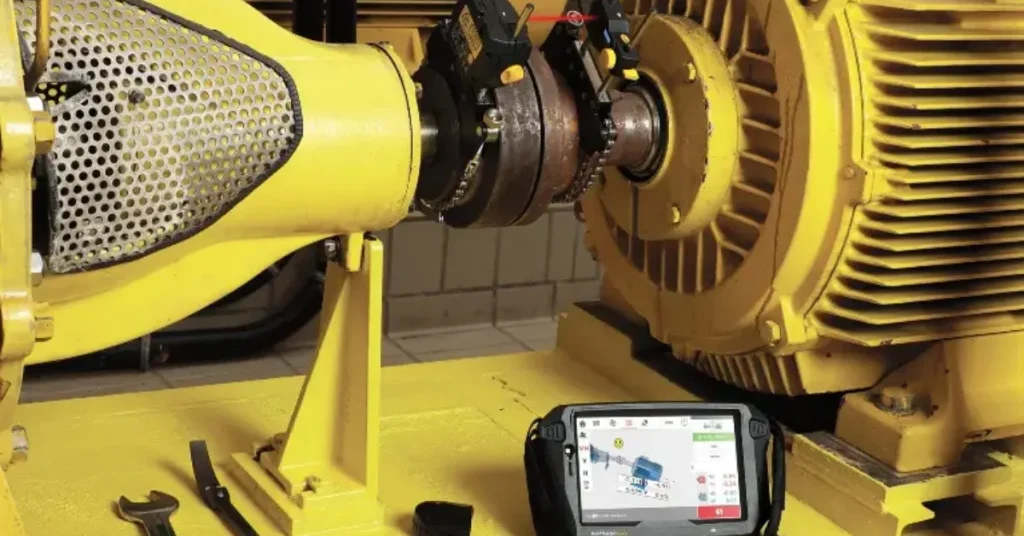
Check:
NSK identifies misalignment, shaft deflection and poor shaft/housing accuracy as possible contributors to flaking and other damage.
Every bearing has defined load-carrying capabilities.
If the actual radial or axial load exceeds what the bearing and application can safely handle, premature fatigue and surface damage may occur.
Recalculate:
A bearing should be selected according to the actual operating conditions, not simply by matching the shaft diameter.
A bearing operating above its appropriate speed range can generate excessive heat.
High speed increases frictional losses and may also place greater demands on lubrication, cage stability and internal clearance.
Check the bearing’s limiting speed, operating temperature, lubrication method and internal clearance.
For high-speed applications, the lubrication system and bearing design should be evaluated together.
Bearing internal clearance is the total distance through which one ring can move relative to the other before mounting and operating effects are considered.
Common designations include:
Using the wrong clearance can cause serious problems.
NSK lists unsuitable bearing clearance as one possible contributor to flaking and seizure.
Select clearance according to:
Do not automatically assume that C3 is better than CN. The correct clearance depends on the application.
More lubricant does not automatically mean longer bearing life.
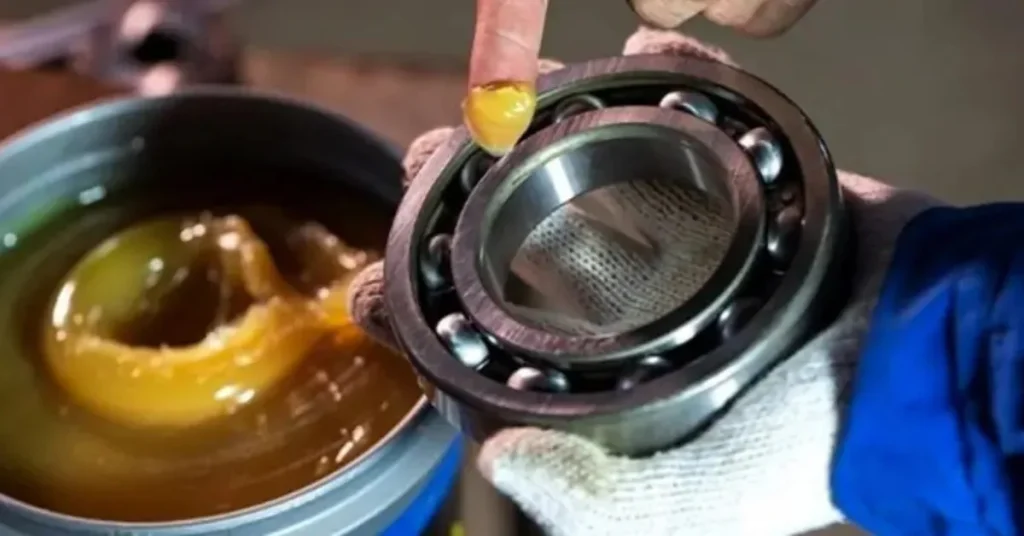
Excess grease can increase churning and friction, which may raise the bearing temperature.
Follow the manufacturer’s recommended grease quantity and relubrication interval.
For high-speed equipment, lubrication quantity and method become especially important.
Water can damage both the lubricant and the bearing surfaces.
Moisture may cause:
In severe environments, water contamination can become a dominant failure mechanism.
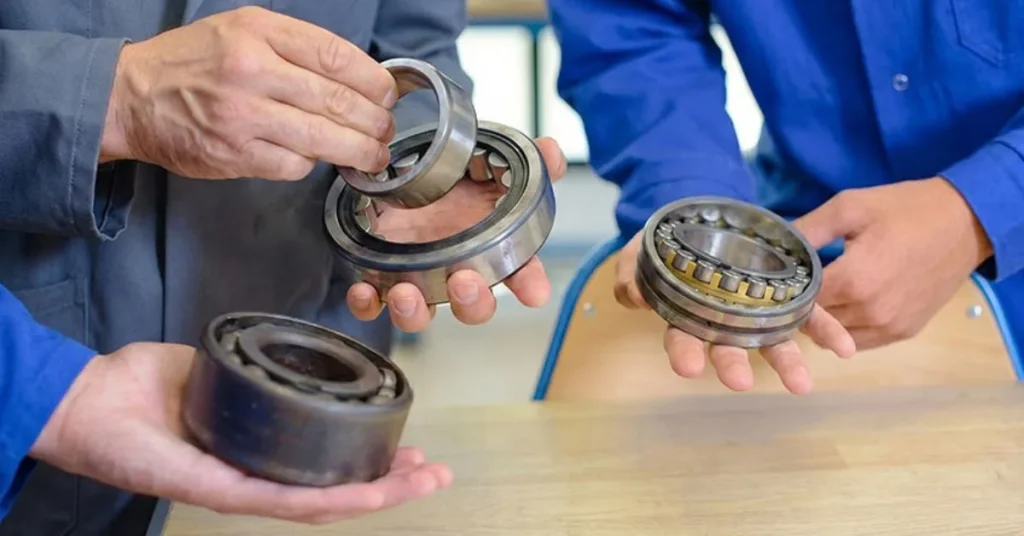
Use appropriate sealing, corrosion protection and lubricant selection. Inspect seals regularly in applications exposed to water, humidity or washdown conditions.
Rust and corrosion weaken bearing surfaces and can initiate further damage.
Corrosion may result from:
Store bearings in clean, dry conditions and protect them from moisture and contaminants.
Electrical current passing through a bearing can create localized damage.
This is especially important in electrically driven machinery.
Electrical erosion can produce small pits and damaged raceway areas. Over time, the damage may develop into more significant surface deterioration.
NSK identifies electrical erosion as a specific bearing damage category and recommends measures such as electrical insulation or circuit design changes where appropriate.
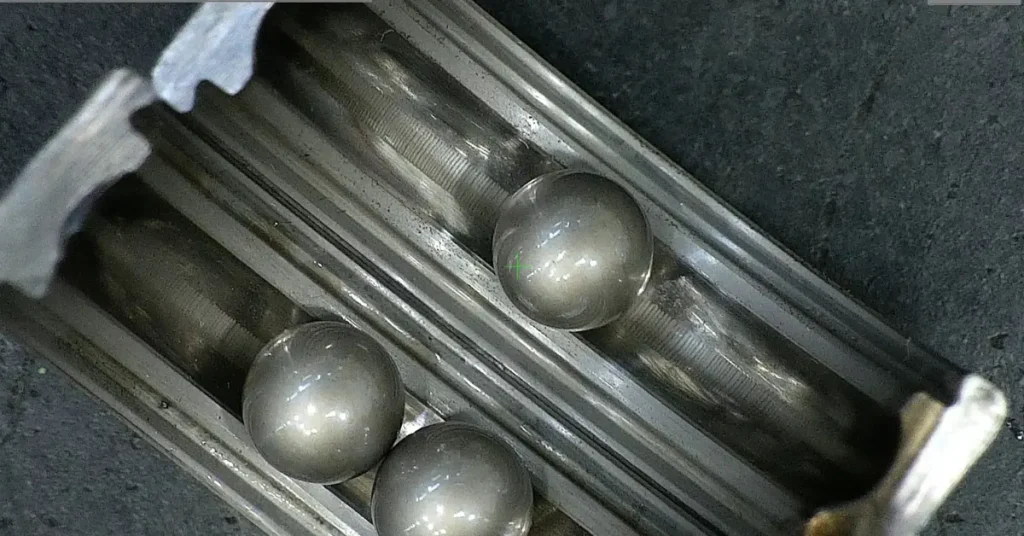
Depending on the application, engineers may consider:
The correct solution must be determined from the machine’s electrical and mechanical design.
Brinelling refers to permanent indentations in the bearing raceway caused by excessive static or impact loading.
False brinelling has a different mechanism and is commonly associated with vibration while the bearing is stationary or oscillating through a small angle.
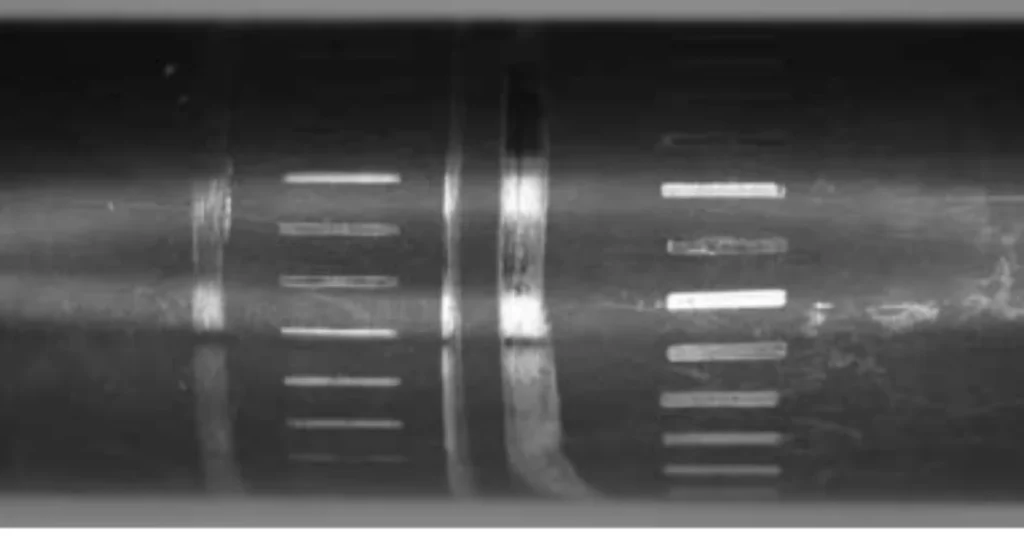
Handle bearings carefully, avoid unnecessary impacts and protect stationary bearings from damaging vibration.
The bearing cage keeps rolling elements properly spaced.
Cage damage can occur because of:
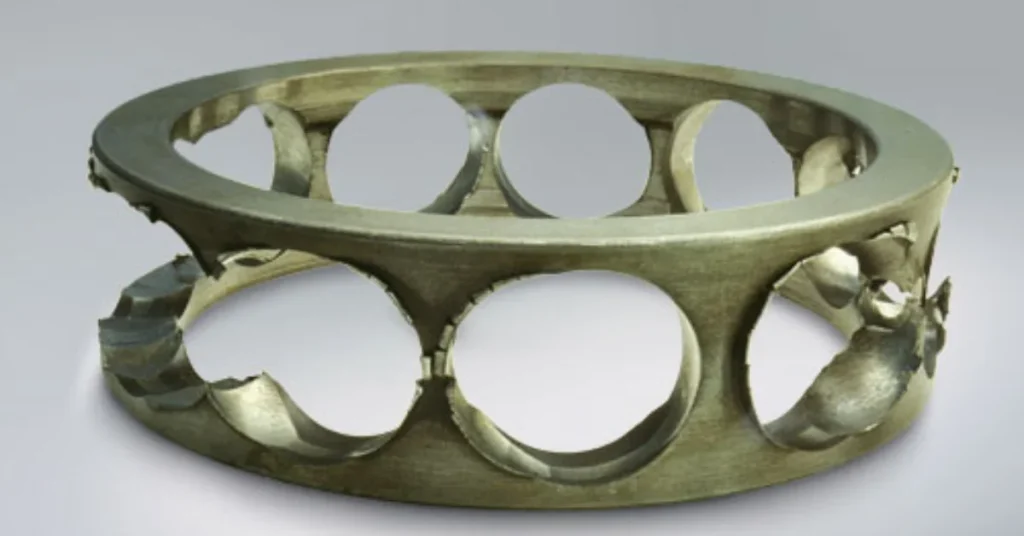
If cage damage is discovered, investigate the underlying operating conditions rather than simply replacing the cage or bearing.
Rolling bearings naturally have a finite fatigue life.
After repeated rolling contact, fatigue cracks can develop beneath the surface and eventually lead to flaking or spalling. However, premature flaking may indicate another problem such as:
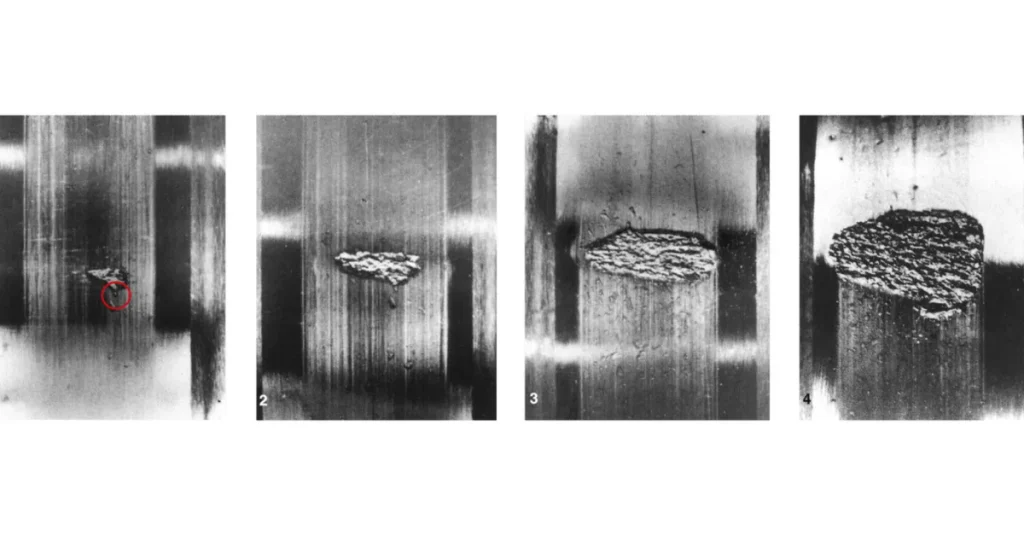
NSK describes flaking as peeling of portions of the raceway or rolling surface due to rolling fatigue and lists several application and maintenance factors that can accelerate it.
Normal fatigue near the expected life is different from premature fatigue.
If a bearing fails much earlier than expected, investigate the operating conditions.
One of the most expensive mistakes is choosing a bearing based only on its bore size.
A bearing must be evaluated against:
For example, a standard deep-groove ball bearing may fit a shaft physically but may not be the best choice for an application with significant axial load, shock load or misalignment.
Before purchasing a bearing, verify:
The following chart can be used as a quick troubleshooting reference.
| Symptom | Possible Cause | First Check | Corrective Action |
|---|---|---|---|
| Humming | Lubrication/surface problem | Lubricant | Inspect and correct lubrication |
| Grinding | Contamination/damage | Bearing & grease | Clean system and investigate damage |
| High vibration | Misalignment/damage | Alignment | Correct alignment and inspect bearing |
| High temperature | Load/lubrication/clearance | Temperature trend | Check all operating conditions |
| Grease leakage | Over-greasing/seal issue | Grease quantity | Correct quantity or replace seal |
| Rust | Moisture | Seals/environment | Prevent water entry |
| Raceway dents | Impact/contamination | Mounting history | Correct handling and installation |
| Pitting | Surface damage | Raceway | Investigate contamination/load |
| Spalling | Fatigue/overload | Damage pattern | Determine root cause |
| Cage damage | Speed/vibration/lubrication | Operating conditions | Correct application problem |
| Rapid failure | Installation/selection | Installation record | Review complete installation |
| Repeated failure | Uncorrected root cause | Failure history | Perform detailed analysis |
NSK’s troubleshooting guidance similarly recommends correlating the damage pattern with operating history, lubrication and mounting conditions rather than treating every failure as the same problem.
Step 1: Record the Operating History
Before removing the failed bearing, collect information about:
This information can be critical because the final damage may hide the original failure mechanism. SKF recommends examining bearings before catastrophic failure where possible because secondary damage can mask the initial damage.
Step 2: Inspect the Bearing Before Cleaning
Record:
Take photographs before cleaning the bearing.
Step 3: Examine the Raceway
Look for:
The location and pattern of damage can provide important clues.
Step 4: Inspect Rolling Elements
Check balls or rollers for:
Step 5: Inspect the Cage
Look for:
Step 6: Check Shaft and Housing
Do not analyze the bearing in isolation.
Inspect:
Step 7: Identify the Root Cause
Finally, compare the observed damage with:
The goal is not simply to identify what broke, but to determine why it broke.
Consider a factory electric motor operating continuously. The maintenance team notices that the motor has developed:
The bearing is replaced.
After a few weeks, the same symptoms return.
Not necessarily. A proper investigation should ask:
| Question 1: Was the bearing correctly installed? | If mounting force was applied incorrectly, installation damage may have occurred. |
| Question 2: Was the bearing properly lubricated? | Incorrect grease quantity or interval could cause overheating. |
| Question 3: Was the shaft aligned correctly? | Misalignment could produce uneven loading. |
| Question 4: Was the bearing electrically protected where required? | Electrical current can damage bearing surfaces in some motor applications. |
| Question 5: Was the bearing correctly selected? | Load, speed, clearance and environmental conditions must match the application. |
Replacing a bearing without finding the root cause can create a cycle:
Failure → Replacement → Temporary operation → Repeat failure
The better process is:
Failure → Inspection → Root-cause analysis → Corrective action → Replacement → Monitoring
A bearing may provide warning signals before catastrophic failure. Watch for:
NSK specifically recommends monitoring abnormal sound, vibration and temperature as part of bearing condition assessment.
The best bearing failure analysis strategy is prevention. Follow these practices:
| 1. Choose the correct bearing | Match the bearing to load, speed, temperature and environment. |
| 2. Keep bearings clean | Prevent dust, dirt and moisture from entering the bearing. |
| 3. Use the correct lubricant | Do not mix lubricants without confirming compatibility. |
| 4. Lubricate correctly | Avoid both under-lubrication and over-lubrication. |
| 5. Install correctly | Use appropriate tools and avoid impact damage. |
| 6. Check alignment | Misalignment can create uneven loading. |
| 7. Monitor vibration and temperature | Increasing vibration or temperature can indicate developing damage. |
| 8. Inspect seals | Damaged seals allow contaminants and moisture to enter. |
| 9. Maintain correct clearance | Do not select CN, C3 or C4 clearance without considering operating conditions. |
| 10. Investigate every repeated failure | If the same bearing fails repeatedly, look for a system-level problem. |
Not every bearing that stops working has suffered a manufacturing defect. A rolling bearing has a calculated fatigue life, and some failures occur after extended operation. The important question is:
Did the bearing fail prematurely, or did it reach the expected end of its useful life?
If a bearing fails far earlier than expected, investigate the application and maintenance conditions.
SKF and NSK both emphasize that premature bearing damage can often be associated with factors such as lubrication, contamination, mounting, handling, loading and operating conditions.
Before installing a new bearing, ask:
☐ Is the bearing type correct?
☐ Is the bore correct?
☐ Is the load rating adequate?
☐ Is the speed suitable?
☐ Is internal clearance correct?
☐ Is the shaft clean?
☐ Is the housing clean?
☐ Are correct tools being used?
☐ Is mounting force applied correctly?
☐ Are seals protected?
☐ Is the lubricant correct?
☐ Is the quantity correct?
☐ Is the relubrication interval suitable?
☐ Is contamination controlled?
☐ Is temperature normal?
☐ Is vibration normal?
☐ Is alignment correct?
☐ Is the machine operating within its intended load and speed?
Bearing failure can lead to unexpected machine downtime, higher maintenance costs, reduced efficiency, and serious equipment damage. Recognizing common bearing failure symptoms such as unusual noise, excessive vibration, overheating, abnormal wear, and lubricant leakage can help identify problems before they become major failures.
The best bearing failure solutions focus on finding and correcting the root cause—such as improper lubrication, misalignment, overloading, contamination, incorrect installation, or wrong bearing selection. Regular inspection, proper lubrication, correct installation, and preventive maintenance can significantly extend bearing life and improve machine reliability.
The most effective strategy is simple:
Detect → Inspect → Analyze → Identify Root Cause → Correct → Monitor
For industrial applications, always follow the bearing manufacturer’s technical specifications and application guidance. SKF and NSK both provide detailed troubleshooting frameworks for interpreting bearing damage and selecting corrective actions.
The most common causes include poor lubrication, contamination, incorrect mounting, excessive load, misalignment, unsuitable clearance, corrosion, electrical damage and incorrect bearing selection.
Common warning signs include abnormal noise, vibration, overheating, rough rotation, grease leakage, discoloration and unexpected reduction in service life.
Yes. Excessive grease can increase churning and friction and may cause temperature to rise, particularly in high-speed applications.
Possible reasons include incorrect installation, contamination, wrong bearing selection, incorrect clearance, excessive load, misalignment or improper lubrication.
Common causes include insufficient or excessive lubrication, excessive load, excessive speed, inadequate clearance, preload and contamination.
Yes. Vibration can contribute to false brinelling, cage damage and other forms of premature bearing deterioration, especially when the bearing is stationary or operating under unsuitable conditions.
If the bearing is unsafe or severely damaged, replacement may be necessary. However, for repeated or premature failures, identify the root cause before installing another bearing.
Bearing fatigue can be a normal end-of-life mechanism after repeated rolling contact. Premature bearing failure occurs when damage develops significantly earlier than expected because of factors such as lubrication, contamination, mounting, load or operating conditions.
A changing or abnormal bearing noise should be investigated. Continuing to operate a severely damaged bearing can lead to more extensive machine damage.
Bearing vibration may result from raceway damage, rolling-element damage, contamination, misalignment, looseness, incorrect clearance or problems elsewhere in the rotating machine.
Use the correct bearing, maintain proper lubrication, prevent contamination, install the bearing correctly, maintain alignment and monitor operating temperature and vibration.

Welcome! I am a dedicated entrepreneur running an industrial affiliate product website, helping businesses and professionals find the best tools, equipment, and resources for their needs. With a passion for industrial products and a keen eye for quality, I curate and recommend top-performing items that enhance efficiency and reliability.
Through my platform, I aim to simplify the buying process by providing valuable insights, expert reviews, and trusted affiliate links to high-quality industrial products. Whether you’re looking for the latest machinery, tools, or safety gear, I strive to connect you with the best solutions available.
Thank you for visiting, and I look forward to helping you make informed purchasing decisions!
