Our Location
Killa-Pardi, Dist. Valsad, 396125

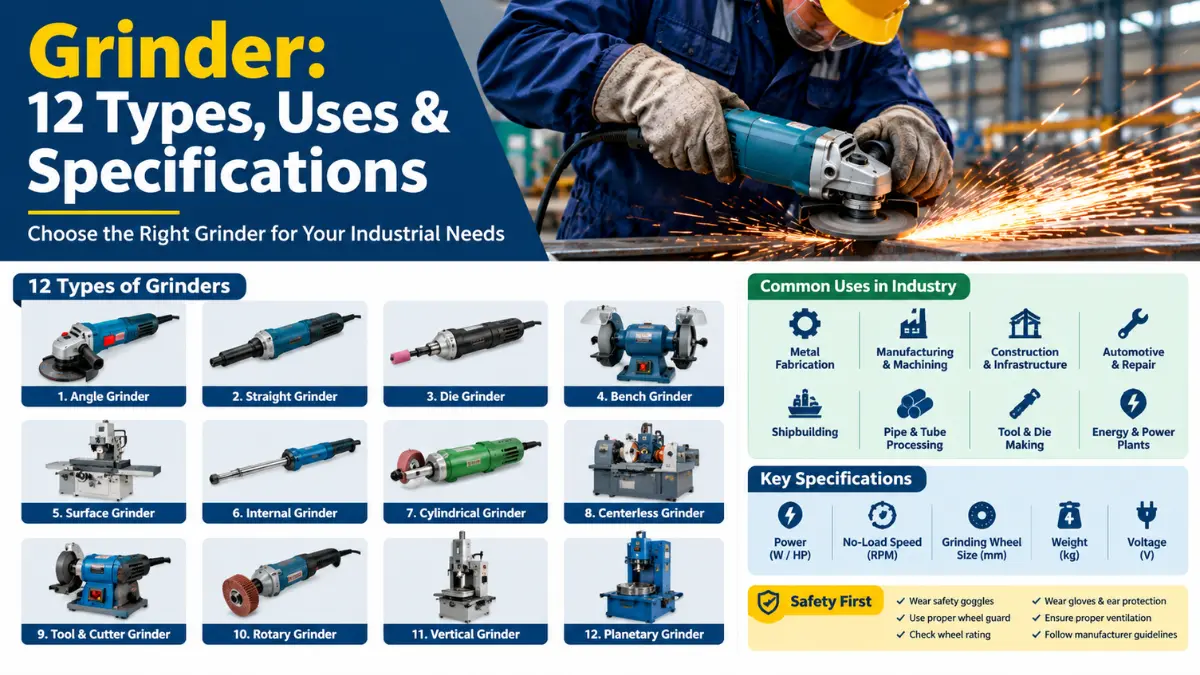
A industrial grinder is a power tool or machine used to cut, grind, sharpen, polish, deburr, or remove unwanted material from a workpiece. Grinders are widely used in manufacturing plants, construction sites, fabrication workshops, automotive garages, metalworking industries, and home improvement projects.
A grinder Machine uses a rotating abrasive wheel, disc, belt, or grinding attachment to process materials such as steel, stainless steel, concrete, stone, and other suitable materials. The correct grinder depends on the job, workpiece material, required finish, operating speed, and cutting or grinding capacity.
In India, grinders are commonly used by fabricators, electricians, mechanics, contractors, and small businesses. In the USA, they are widely used in metal fabrication, construction, automotive repair, manufacturing, and maintenance operations.
Understanding the different types of grinders helps buyers select the right tool, improve productivity, reduce downtime, and maintain workplace safety.
The major grinder Machine types include angle grinders, bench grinders, die grinders, straight grinders, surface grinders, cylindrical grinders, belt grinders, pedestal grinders, concrete grinders, tool and cutter grinders, wet grinders, and floor grinders.
Each type is designed for particular materials, applications, and working conditions.
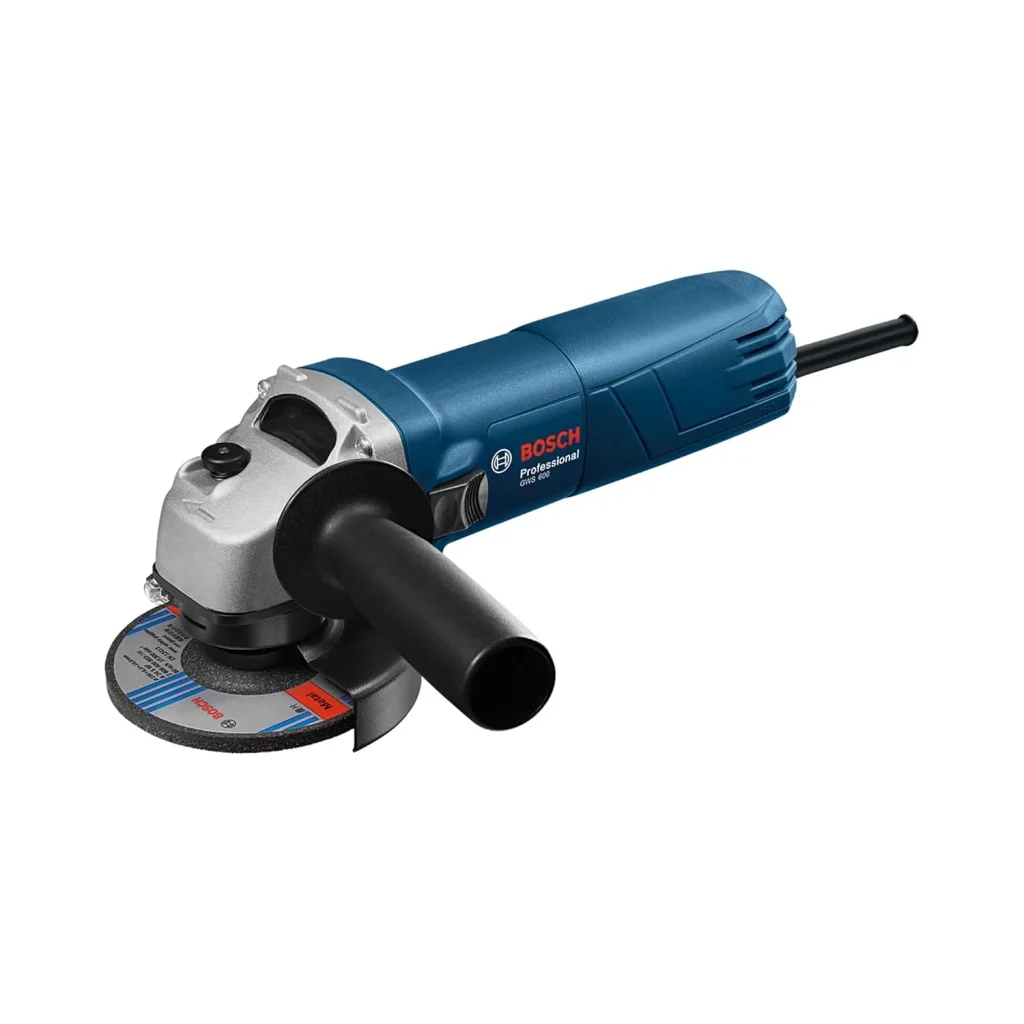
An angle grinder is a handheld power tool used for cutting, grinding, polishing, and removing rust from metal and masonry. It uses a rotating disc mounted at a right angle to the motor shaft.
Common disc sizes include 4-inch, 4.5-inch, 5-inch, and 7-inch, depending on the model and regional market. Angle grinders are widely used in welding workshops, construction, metal fabrication, and automotive repair.
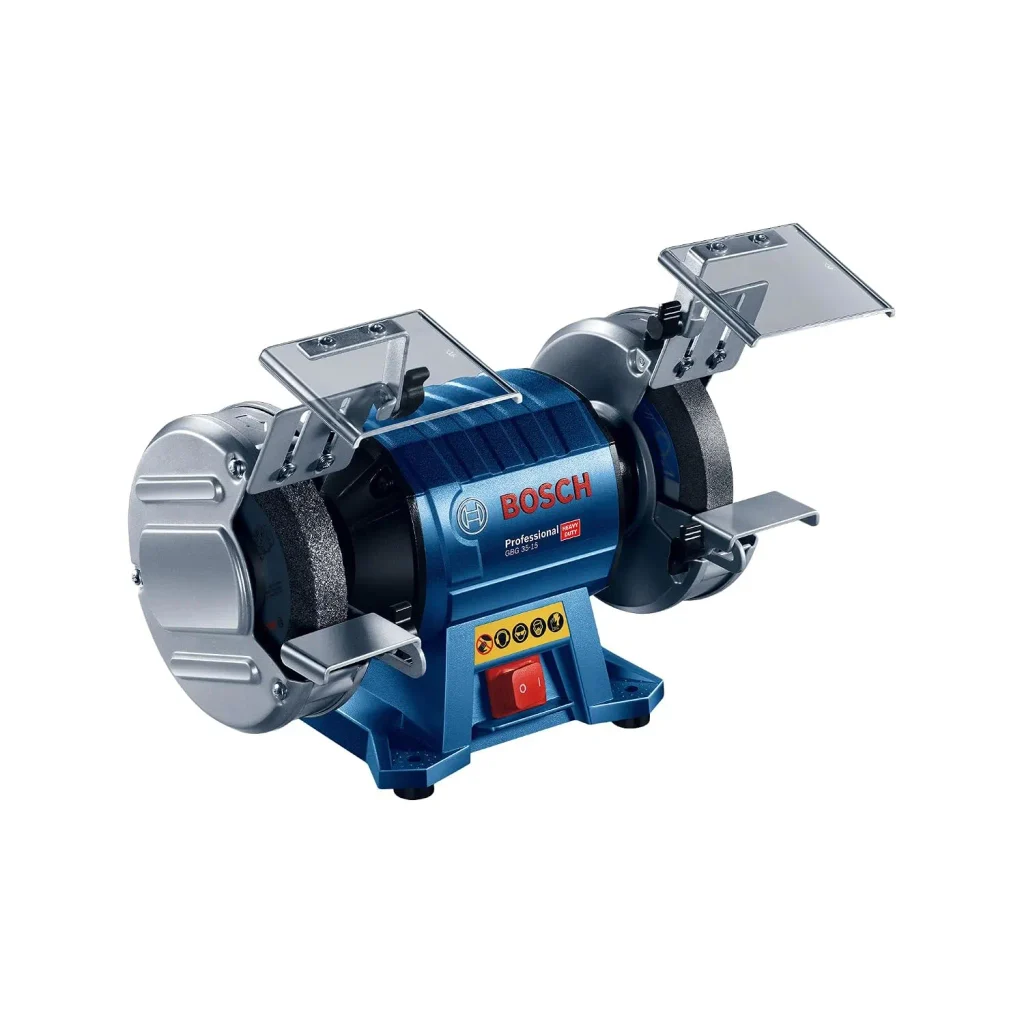
A bench grinder is mounted on a workbench and usually has two grinding wheels. One wheel can be used for rough grinding, while the other is used for finer grinding, depending on the wheel selection.
Typical applications include sharpening drill bits, removing burrs, shaping metal tools, and maintaining workshop equipment. A bench grinder is useful where stationary and repeatable grinding operations are required.
A die grinder is a compact, high-speed tool used for precision grinding, deburring, polishing, and finishing small components. It can operate with electric power, a battery, or compressed air.
Die grinders are commonly used in automotive workshops, mould-making, metal fabrication, and tool-and-die manufacturing. Always match the attachment’s rated speed to the tool’s operating speed.
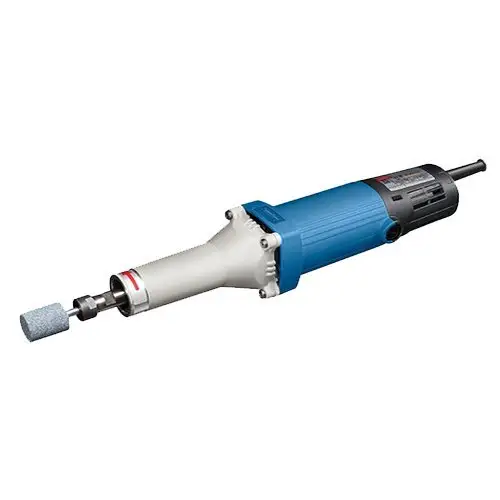
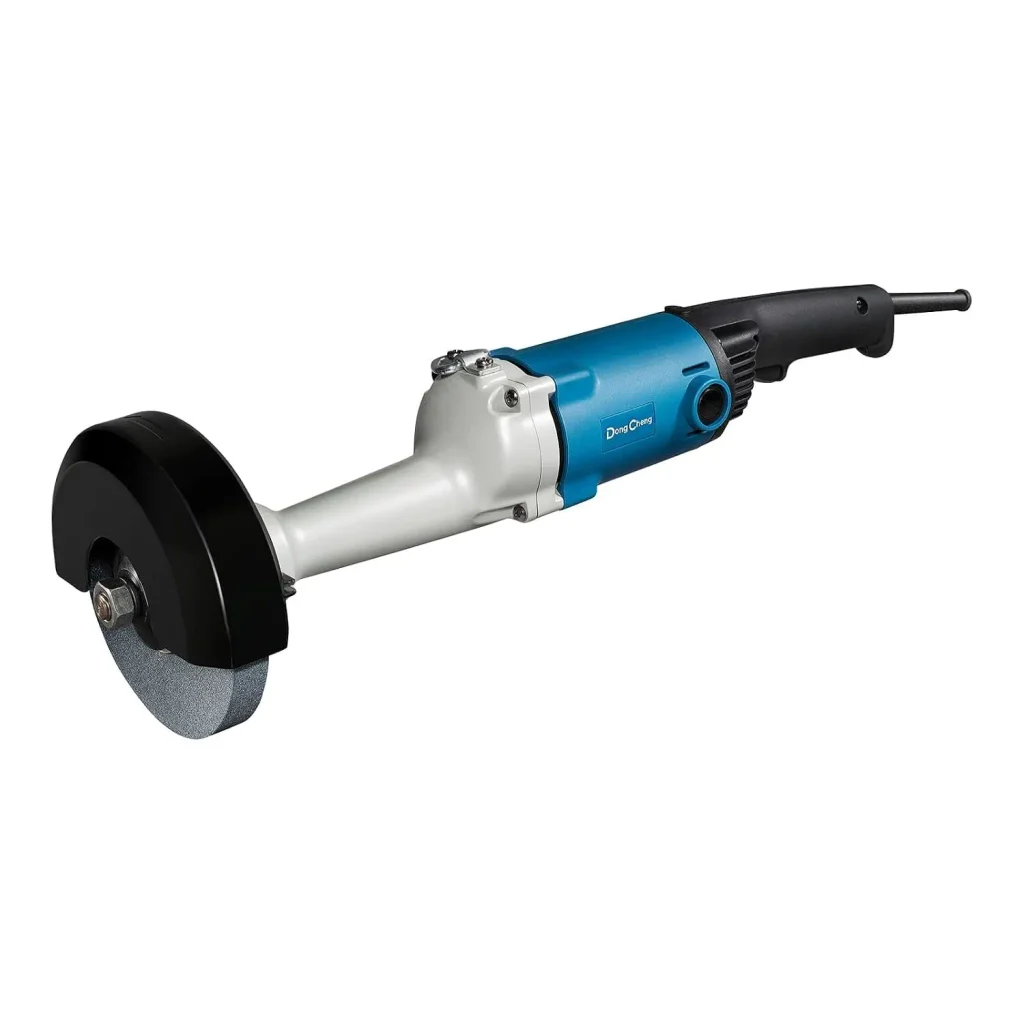
A straight grinder has a straight body and is designed for grinding in areas where a conventional angle grinder may be difficult to position. Industrial versions can handle demanding finishing and grinding operations.
It is useful for internal surfaces, weld preparation, deburring, and finishing metal components.
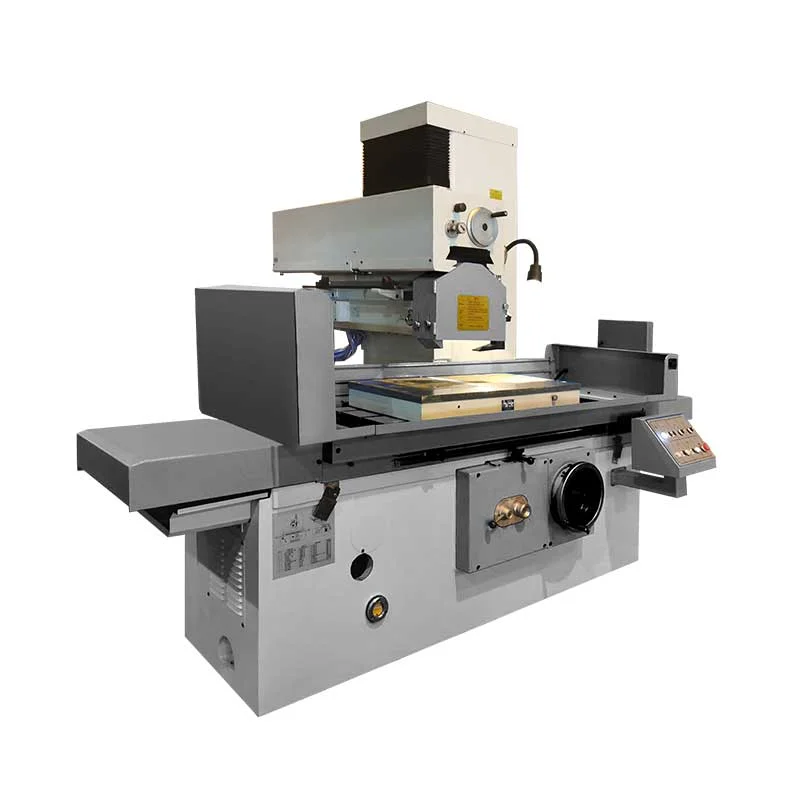
A surface grinder is a precision machine used to produce flat surfaces with controlled dimensions and surface finishes. It typically moves a workpiece beneath a rotating grinding wheel.
Surface grinders are used in tool rooms, machine shops, mould manufacturing, and precision engineering. Selection depends on table size, grinding capacity, spindle speed, accuracy, and required surface finish.
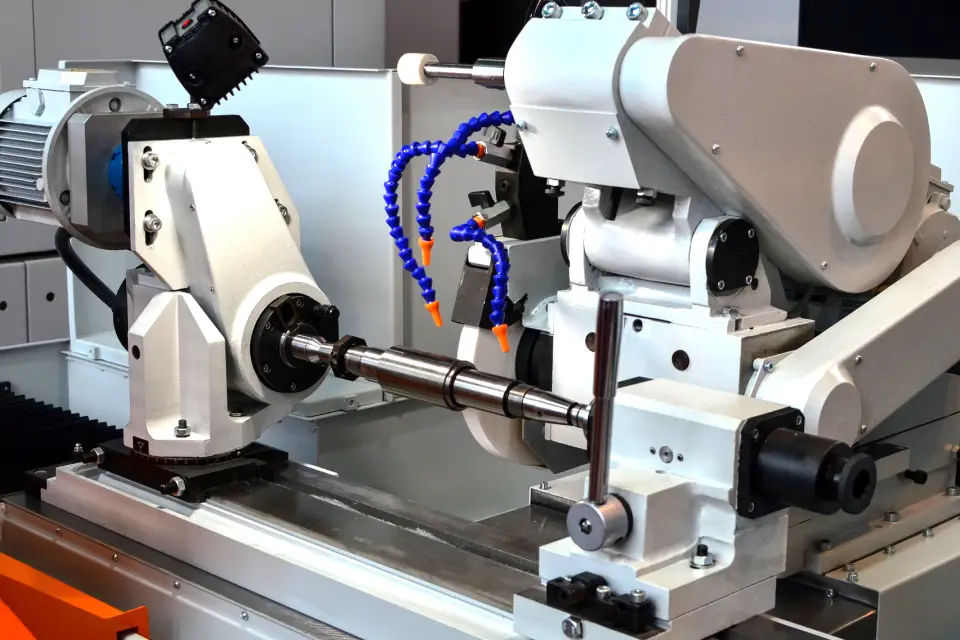
A cylindrical grinding machine is used to finish the external or internal surfaces of cylindrical components. The workpiece rotates while the grinding wheel removes small amounts of material.
Applications include shafts, bearings, rollers, automotive components, and precision machine parts. Cylindrical grinding is particularly valuable when tight dimensional tolerances and a smooth finish are required.
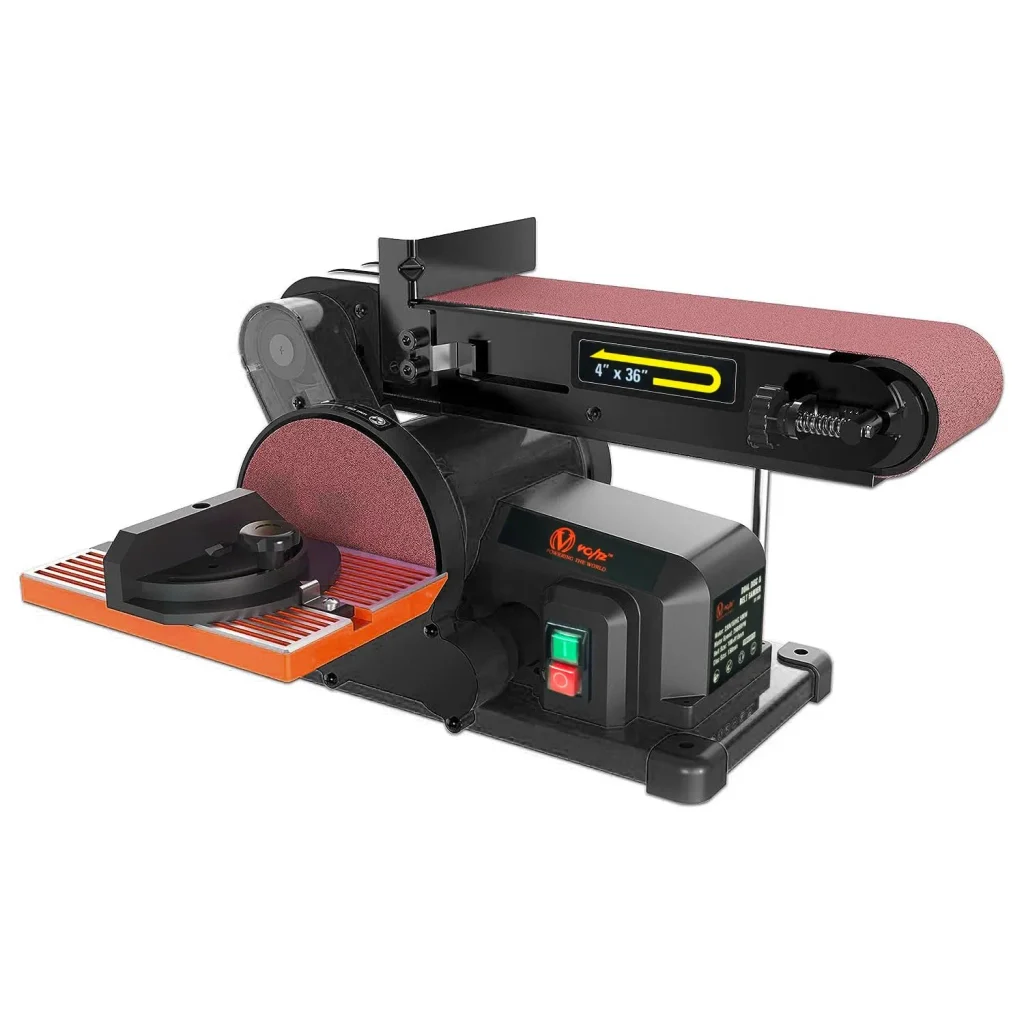
A belt grinder uses an abrasive belt running over rollers or a contact wheel. It is suitable for removing material, smoothing edges, finishing welds, and preparing metal surfaces.
Belt grinders are widely used in fabrication shops, knife-making workshops, woodworking, and industrial finishing. Belt material and grit size must be selected for the workpiece and desired finish.
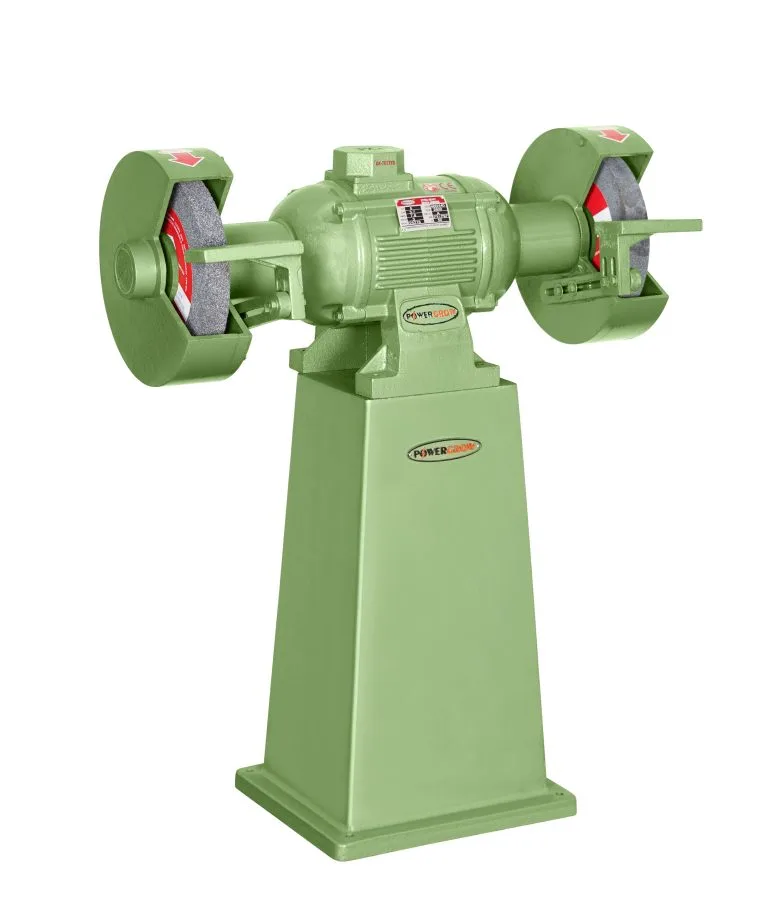
A pedestal grinder is a stationary grinding tool mounted on a floor-standing pedestal. It is often used for sharpening, deburring, and general metalworking.
Compared with a small bench grinder, a pedestal grinder may offer a larger working arrangement and more substantial construction.
Its actual capacity depends on the machine model.
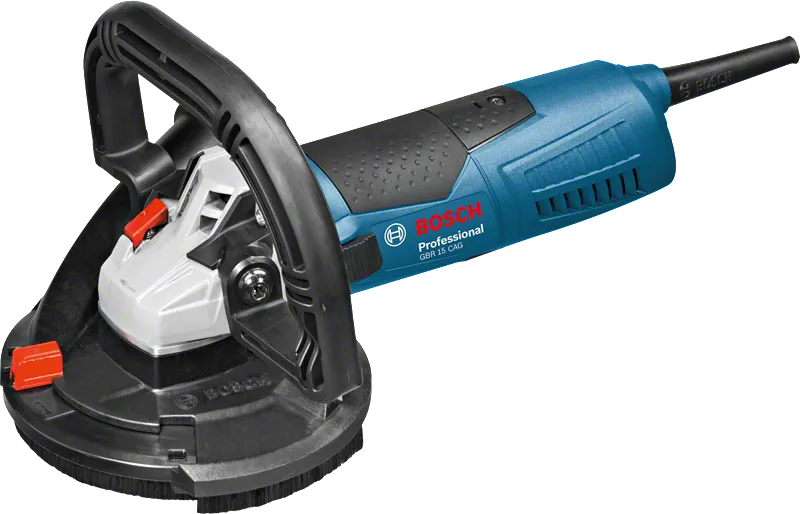
A concrete grinder is designed to prepare, smooth, and level concrete surfaces. Depending on the machine and attachment, it can remove coatings, adhesive residue, surface irregularities, and minor imperfections.
Concrete grinders are used in warehouses, garages, construction projects, and commercial flooring work. Use appropriate diamond tooling and dust-control equipment, particularly when working with silica-containing materials.
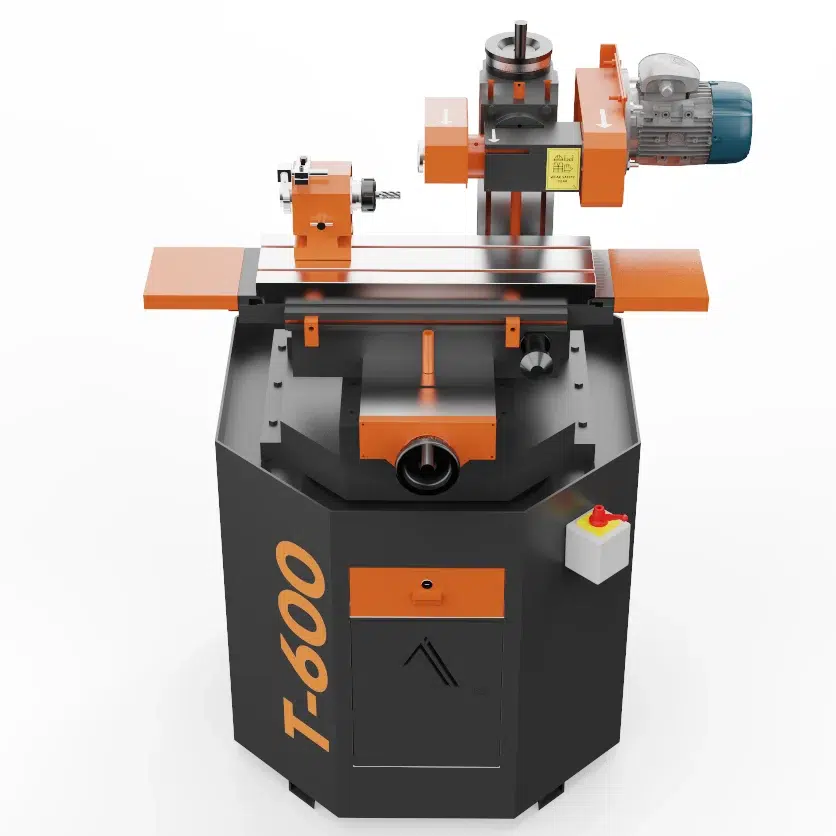
A tool and cutter grinder sharpens and reconditions cutting tools such as milling cutters, drills, and reamers. Some machines are manually operated, while advanced models use CNC control.
These industrial tool is important in tool rooms, precision manufacturing, and machining operations where cutting-tool performance affects production quality.
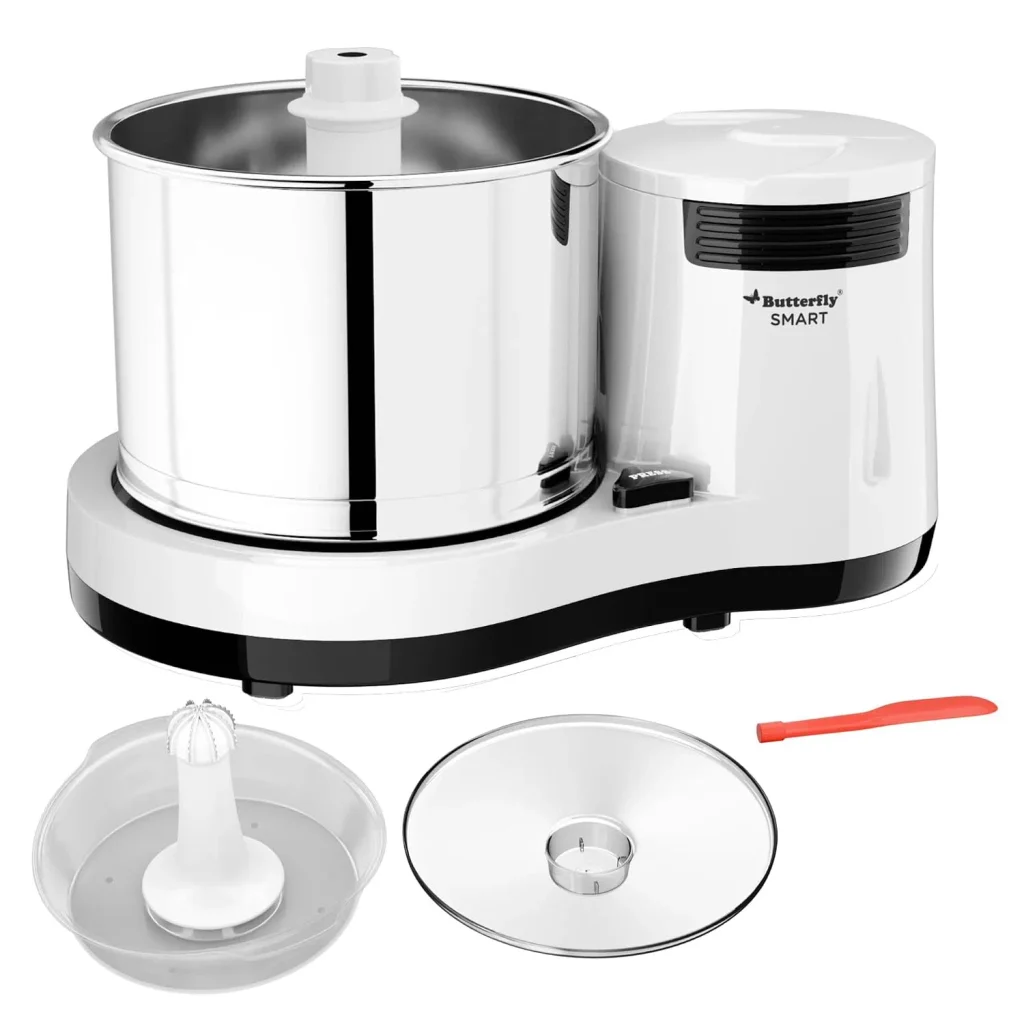
A wet grinding machine uses liquid, usually water or a suitable coolant, during the grinding process. Industrial wet grinding can help manage heat and reduce dust, depending on the system.
Wet grinding equipment is used for selected stone, metalworking, and surface-finishing applications. It must be specifically designed for wet operation; ordinary electrical grinders should not be exposed to water.
A floor grinder is a machine designed to prepare, polish, and finish large floor areas. It may use diamond segments, abrasive tooling, or other purpose-built attachments.
Typical applications include industrial floors, warehouses, retail buildings, parking facilities, and concrete renovation projects.
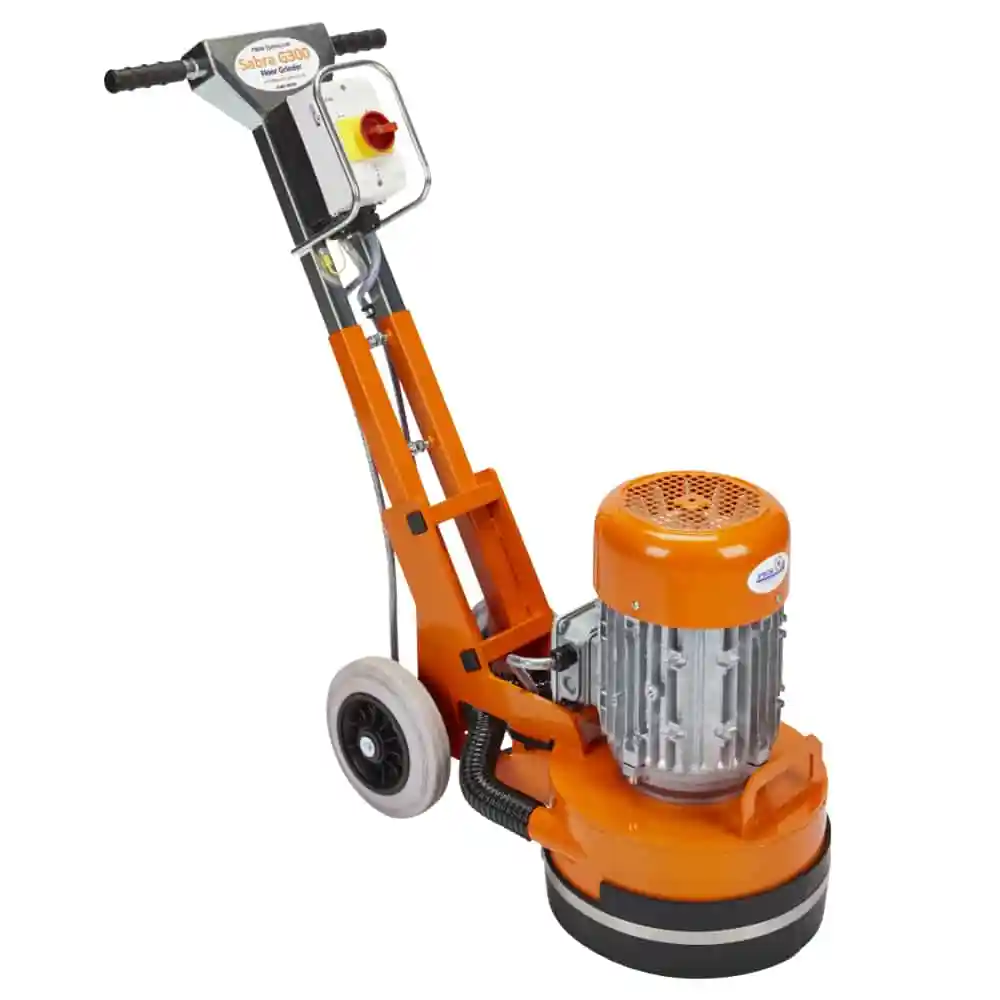
| Grinder type | Main application | Typical work setting |
|---|---|---|
| Angle grinder | Cutting, grinding, polishing | Construction and fabrication |
| Bench grinder | Sharpening and deburring | Workshops |
| Die grinder | Precision finishing | Automotive and tool rooms |
| Straight grinder | Grinding in confined areas | Industrial maintenance |
| Surface grinder | Flat, precise finishing | Machine shops |
| Cylindrical grinder | Round-component finishing | Manufacturing plants |
| Belt grinder | Weld finishing and smoothing | Fabrication shops |
| Pedestal grinder | Heavy-duty stationary grinding | Industrial workshops |
| Concrete grinder | Concrete preparation | Construction |
| Tool and cutter grinder | Sharpening cutting tools | Tool rooms |
| Wet grinder | Coolant-assisted grinding | Specialised workshops |
| Floor grinder | Large floor preparation | Commercial and industrial sites |
Grinders serve several purposes across industrial and domestic environments.
The grinder, abrasive, speed, and operating technique must all be suitable for the material. A cutting disc must not be used as a grinding wheel unless it is specifically designed and approved for that purpose.
Before purchasing a grinder, understand its key specifications. These help buyers compare models and choose a tool for the intended workload.
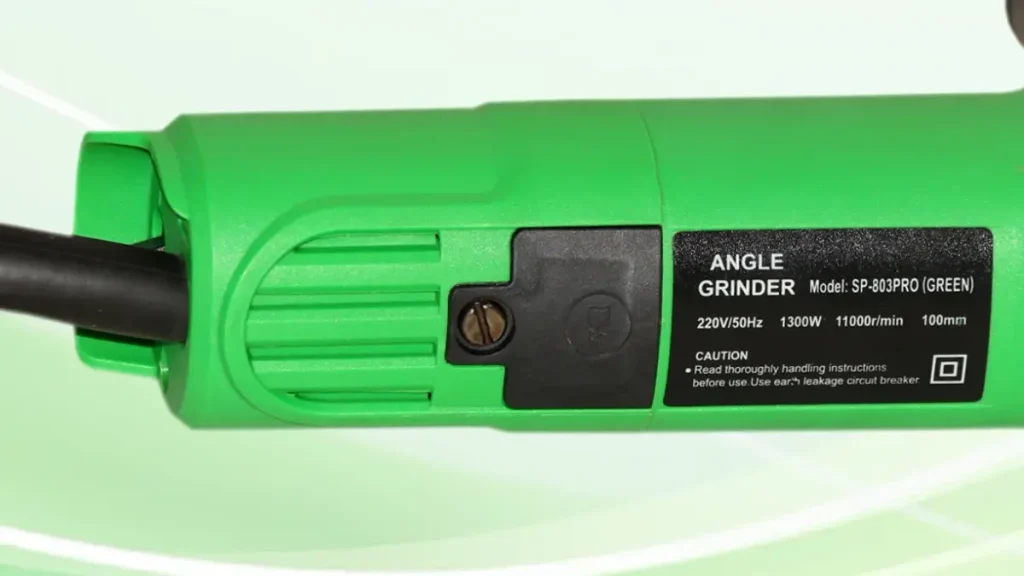
1. Motor Power: Watts and Horsepower
2. Disc Diameter
3. No-Load Speed (RPM)
4. Power Source
5. Weight and Ergonomics
6. Safety Features
Selecting the right grinder can improve productivity, work quality, and operating safety. Use these nine factors before buying a grinder for a factory, workshop, construction site, or home project.
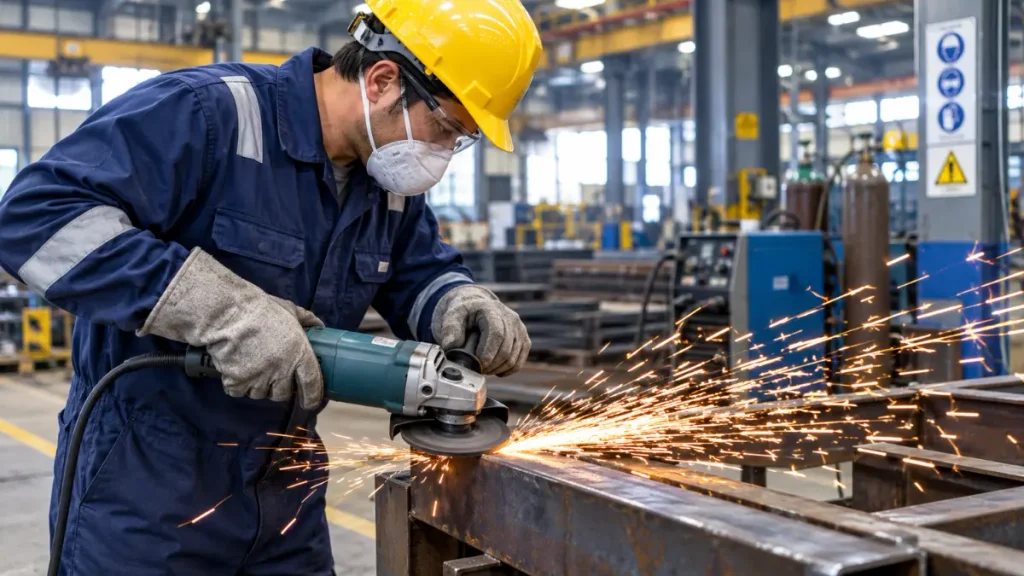
For professional buyers in India and the USA, compare the complete specifications rather than choosing a grinder machine based only on brand name or price.
The following examples illustrate how to match a grinder to a real application.
| Requirement | Suitable option | Important consideration |
|---|---|---|
| Cutting steel sections | Angle grinder | Compatible metal-cutting disc |
| Removing weld spatter | Angle grinder or suitable stationary grinder | Abrasive type and finish |
| Sharpening workshop tools | Bench grinder | Correct wheel grade and tool-rest adjustment |
| Finishing small metal components | Die grinder | Attachment speed and precision |
| Producing flat precision surfaces | Surface grinder | Tolerance and surface-finish requirements |
| Preparing a concrete warehouse floor | Floor or concrete grinder | Diamond tooling and dust extraction |
| Reconditioning milling cutters | Tool and cutter grinder | Tool geometry and required accuracy |
These are general selection examples, not final engineering specifications. The material, dimensions, production volume, and quality requirements determine the final choice.
Choosing the correct abrasive is just as important as choosing the machine.
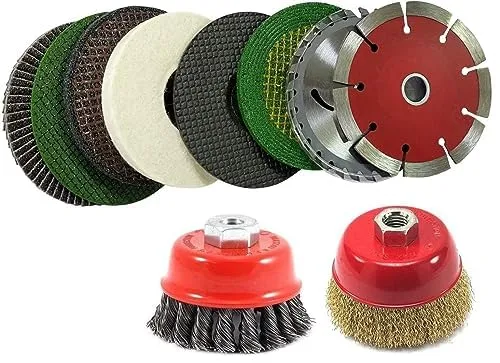
Abrasives are not universally interchangeable. Confirm the material compatibility, disc dimensions, maximum operating speed, and permitted operation before installation.
The term industrial grinder covers a broad range of equipment, from heavy-duty handheld tools to precision grinding machines and automated production systems.
An angle grinder is generally a portable tool for localised cutting, grinding, and finishing. Industrial grinding machines may be designed for continuous production, repeatable tolerances, automated feeding, or specialist surface treatment.
For example, a fabrication workshop may use angle grinders to prepare welds, while a precision manufacturing plant may use cylindrical grinders to finish bearing seats and shafts. These machines serve different functions and should not be compared by motor power alone.
Regular maintenance helps reduce unexpected failures and improve equipment life.
| Frequency | Maintenance task |
|---|---|
| Before use | Inspect the wheel, guard, handle, cable or battery, and switch |
| Daily | Clean external surfaces and ventilation openings as instructed |
| Weekly | Check accessories, handles, and mounting components |
| Monthly | Review wear, vibration, electrical condition, and service history |
| As required | Replace damaged parts and service the machine according to the manual |
Disconnect the power source before changing accessories or carrying out maintenance. Battery-powered tools must have the battery removed, and pneumatic tools must be isolated from their air supply.
Do not continue operating a grinder that shows unusual vibration, a damaged wheel, burning smells, excessive heat, or electrical faults.
Grinding operations can create sparks, flying particles, noise, dust, and serious injury risks. Safe working procedures are essential.
For workplace operations in the USA, consult applicable OSHA requirements. In India, follow applicable occupational safety requirements, site procedures, and relevant Indian standards. Appropriate training is important for professional grinding operations.
| Feature | Corded grinder | Cordless grinder |
|---|---|---|
| Power supply | Electrical outlet | Rechargeable battery |
| Mobility | Limited by cable access | High mobility |
| Continuous operation | Suitable with proper supply and duty rating | Depends on battery capacity and charging |
| Maintenance | Cable and electrical components | Battery, charger, and electrical components |
| Best suited for | Workshops and fixed work areas | Field service and remote jobs |
A cordless grinder is not necessarily less powerful than a corded grinder. Compare the actual model’s performance, runtime, duty rating, and compatibility with the required accessories.
Commonly recognised power-tool brands include Bosch, Makita, DEWALT, Milwaukee, Metabo, and Stanley. Availability, product range, warranty, and service support vary by country and model.
When comparing grinders on Amazon India or Amazon USA, check:
For an affiliate website, www.retailglobe.in, product comparisons should clearly distinguish manufacturer specifications from independent test results. Do not describe a product as the best or most powerful without evidence that supports the claim.
Choosing the right grinder is essential for efficient metalworking, construction, maintenance, and manufacturing. Angle grinders are versatile for cutting and finishing, bench grinders are useful for sharpening, die grinders support precision work, and industrial grinding machines deliver specialised finishing and dimensional accuracy.
Before buying a grinder machine, compare motor power, disc size, RPM, application, duty rating, safety features, and total ownership cost. Always use compatible abrasives and follow safe operating procedures.
For buyers in India and the USA, the best grinder is the one that matches the actual job, offers reliable support, and delivers the required performance safely.
Explore grinder buying guides, industrial tool comparisons, and product reviews on this website RetailGlobe.in to make more informed purchasing decisions.
A grinder is used for cutting, grinding, sharpening, polishing, deburring, and removing unwanted material from workpieces. Its application depends on the grinder type and compatible accessories.
An angle grinder is a common choice for handheld metal cutting. Select a compatible cutting disc and grinder size suitable for the material thickness and task.
An angle grinder is a handheld tool for cutting, grinding, and finishing. A bench grinder is stationary and is commonly used for sharpening, deburring, and shaping smaller components.
A grinder can refer to a handheld power tool or a stationary machine. A grinding machine often refers to equipment designed for controlled material removal, precision finishing, or production work.
The required wattage depends on the application. Compact grinders may use several hundred watts, while more powerful handheld models can exceed 1,000 W. Industrial grinding machines may require considerably more power.
The appropriate RPM depends on the grinder model, disc diameter, and application. Always follow the manufacturer’s specifications and ensure the disc’s maximum rated speed is compatible with the machine.
An angle grinder equipped with a compatible diamond cutting disc can cut certain concrete applications within the tool’s rated capacity. Use suitable dust controls, PPE, and the manufacturer’s approved cutting method.
Yes. A compatible grinder or polishing tool can polish selected surfaces when fitted with the correct pad or accessory. Use a tool and speed setting approved for that accessory.
There is no single best industrial grinder. Angle grinders suit many fabrication jobs, bench grinders suit stationary sharpening, and surface or cylindrical grinders suit specific precision operations.
Inspect the tool before use, keep ventilation openings clean, check the wheel and guard, and follow the manufacturer’s maintenance schedule. Replace damaged accessories immediately.
Yes, for suitable applications. However, runtime, battery availability, duty cycle, torque, and charging requirements must be considered before selecting a cordless model for regular production use.
Suitable eye protection, a face shield, hearing protection, appropriate gloves where permitted by the task and risk assessment, protective clothing, and suitable dust controls may be required. Always follow the machine manual and workplace safety procedures.
Cutting separates material using an appropriate cutting accessory. Grinding removes material to shape, smooth, or finish a surface. The wheel must be approved for the intended operation.
Check the material, disc diameter, bore, abrasive type, permitted application, and maximum rated speed. Never use a damaged disc or an accessory that is incompatible with the grinder.
Industrial grinders are often selected for more demanding workloads, durability, duty requirements, and serviceability. However, suitability depends on the exact specifications rather than the product label alone.

Welcome! I am a dedicated entrepreneur running an industrial affiliate product website, helping businesses and professionals find the best tools, equipment, and resources for their needs. With a passion for industrial products and a keen eye for quality, I curate and recommend top-performing items that enhance efficiency and reliability.
Through my platform, I aim to simplify the buying process by providing valuable insights, expert reviews, and trusted affiliate links to high-quality industrial products. Whether you’re looking for the latest machinery, tools, or safety gear, I strive to connect you with the best solutions available.
Thank you for visiting, and I look forward to helping you make informed purchasing decisions!
